
Posts in category 'Why We Love Central Oregon'
Subscribe and receive email notifications of new blog posts.
 RSS Feed
- 2026 | 96 Posts
- 2025 | 102 Posts
- 2024 | 110 Posts
- 2023 | 72 Posts
- 2022 | 52 Posts
- 2021 | 70 Posts
- 2020 | 84 Posts
- 2019 | 38 Posts
- 2018 | 48 Posts
- 2017 | 39 Posts
- 2016 | 31 Posts
- 2015 | 10 Posts
12
Hidden Treasures in the Three Sisters Wilderness in the Central Oregon Cascades
Leave the Path to Find Little Seen Tarn Lakes Above Green Lakes
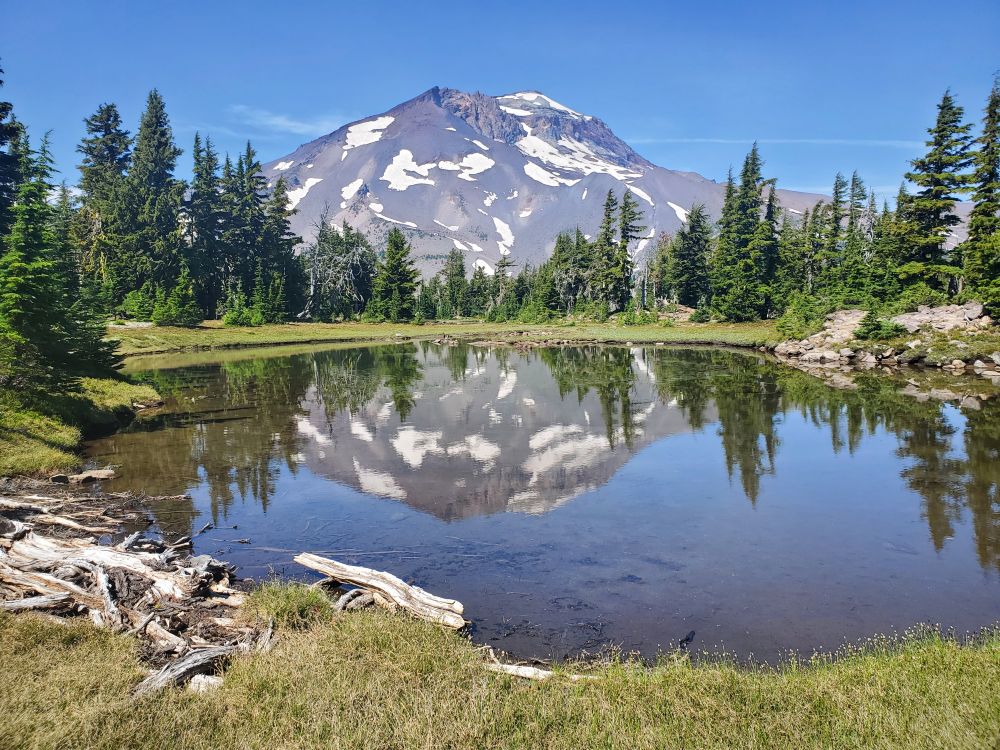
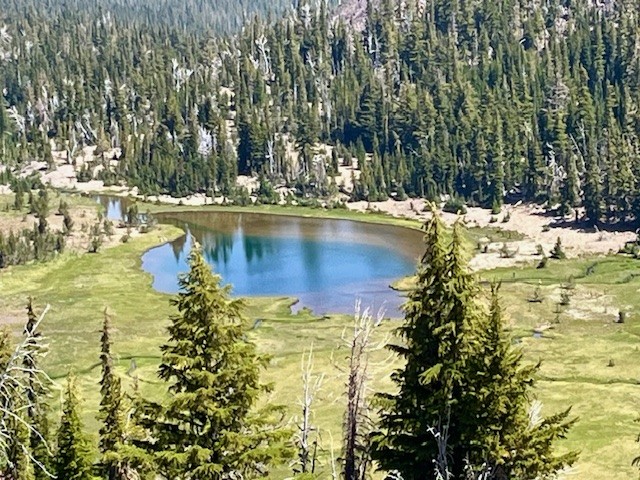
There are hidden treasures in the Three Sisters Wilderness which can be found for those willing to leave the path and follow a compass or GPS to locate them. In particular, there are several beautiful tarn lakes located roughly a half mile off the Green Lakes trail which connects the Green Lakes valley with Park Meadow over the pass between South Sister and Broken Top. There is no path to these lakes, but people good with following a downloaded map can find them. The first four lakes can mirror views of South Sister and their general location can provide views toward Golden Lake as well.
 |
 |
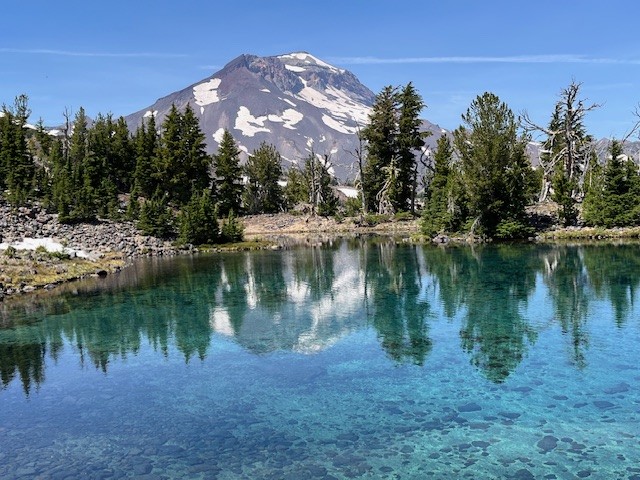
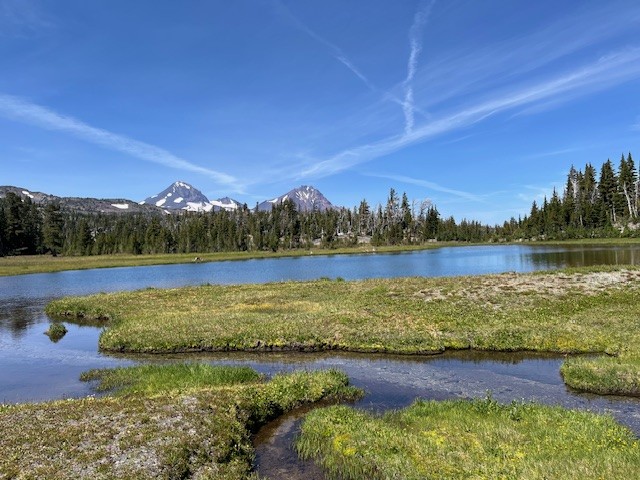
Past the four lakes walking toward Broken Top, hikers can follow a general topography line on a map and find the other two tarn lakes located just below Broken Top. These two lakes can more easily be accessed by following the path next to the creek which flows into Golden Lake. Both of these tarn lakes are located in a cirque bordered by a moraine. On the lower lake, the beautiful blue water was flowing over the top of the moraine forming a waterfall flowing into the creek below in early August 2025. At other times, the water which flows into the creek comes out of a spring at the base of the moraine. At the upper lake, sometimes the voices of people on the top of the ridge overlooking Broken Top's No Name Lake can be heard, although they are not seen due to obstruction from topography and vegetation.
 |
 |
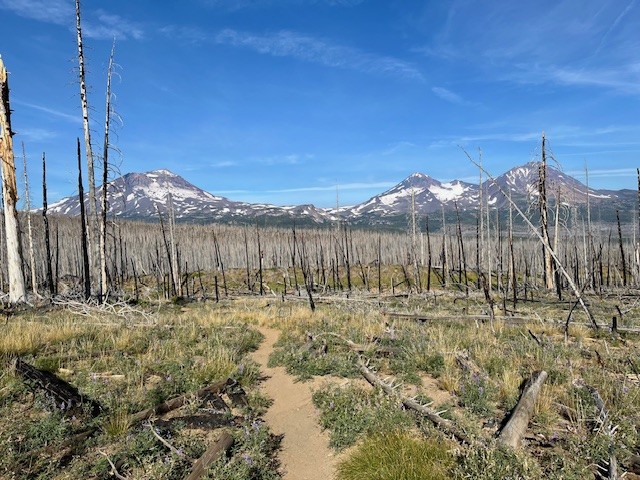
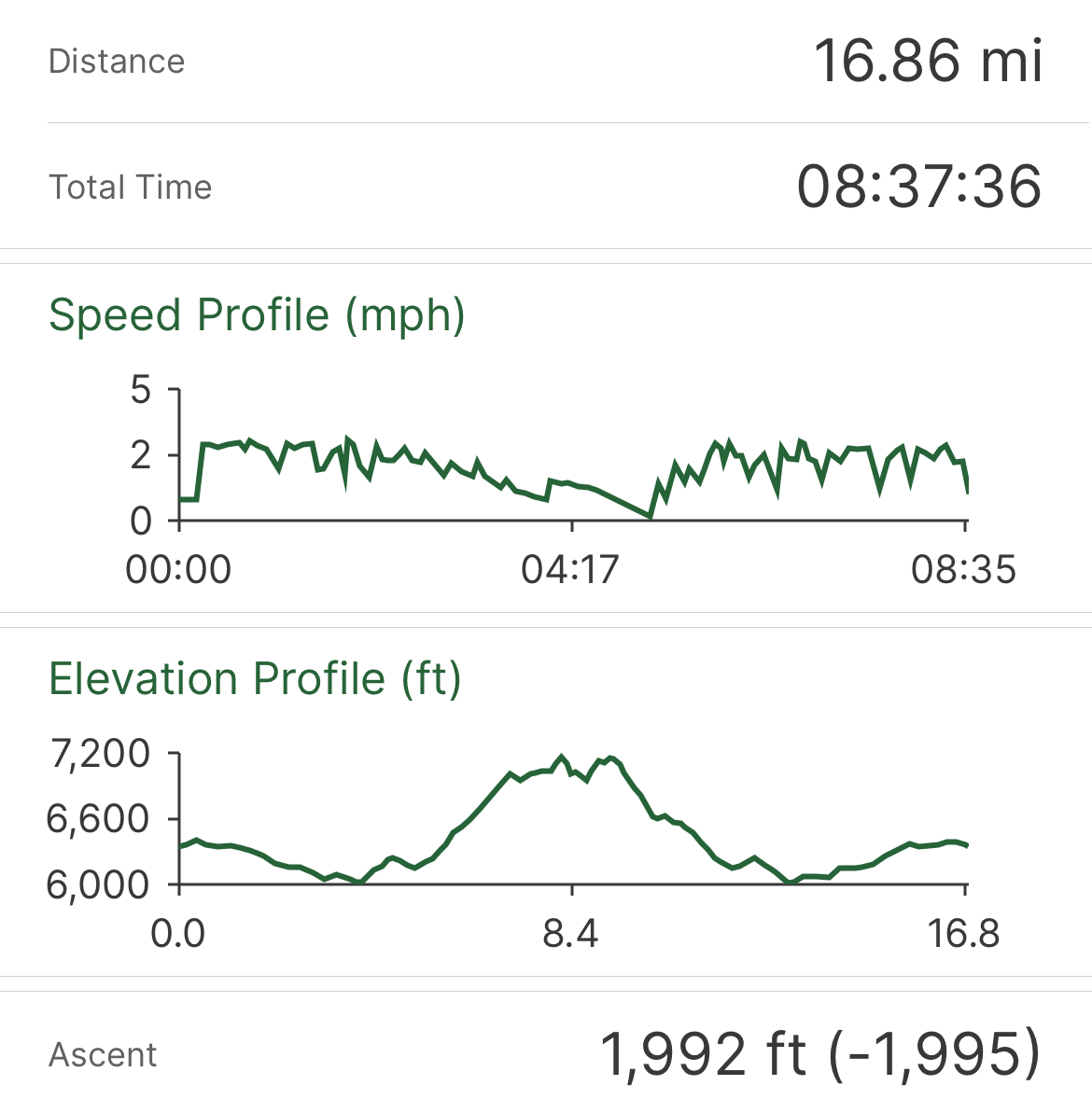
The more direct route back to the trail is following the path down the creek to Golden Lake and from there, rejoining the Green Lakes Trail. Hikers can either return to Green Lakes over the pass or travel northeast to Park Meadow and from there to the Park Meadow trail head near Three Creeks. This second option will involve hiking through over 4.5 miles of burned forest, however. Both methods can be done in a long day, those coming from Green Lakes hiking over 18 miles and those coming from Park Meadow close to 17 miles. Others could pack in camping supplies and better explore and enjoy the day in the area.
 |
 |
7
Canyon Meadow and Three Fingered Jack are Wonderful Summer Central Oregon Hikes
The Wildflowers are Abundant in Central Oregon's Canyon Meadow in the Mt. Jefferson Wilderness
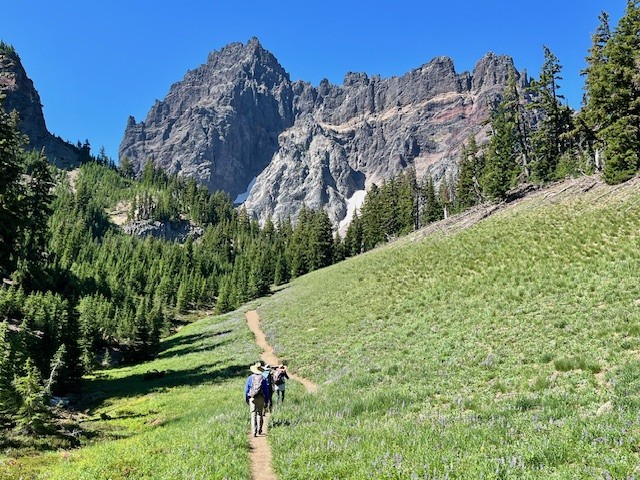
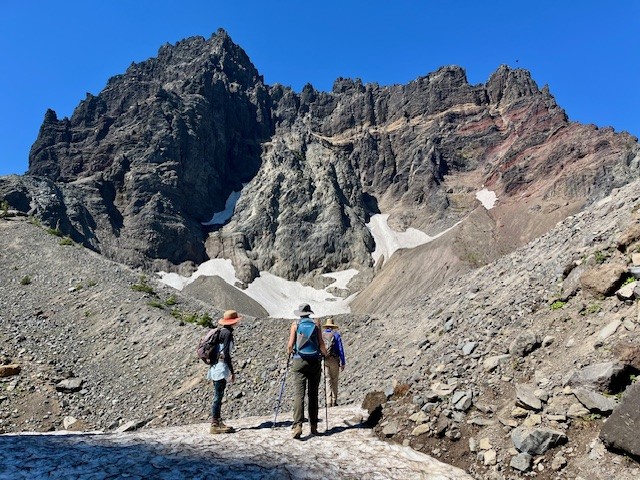
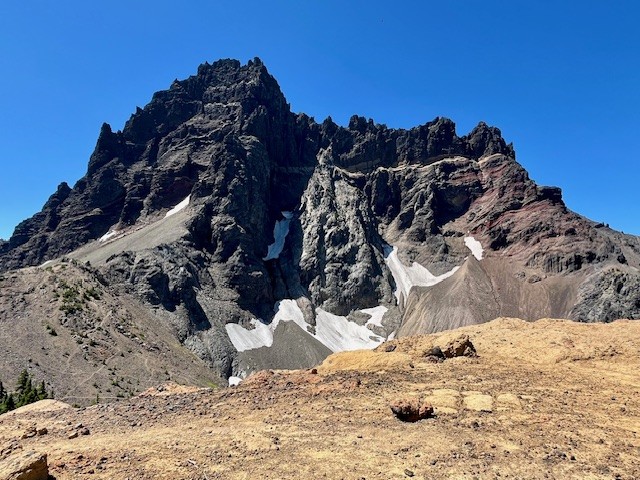
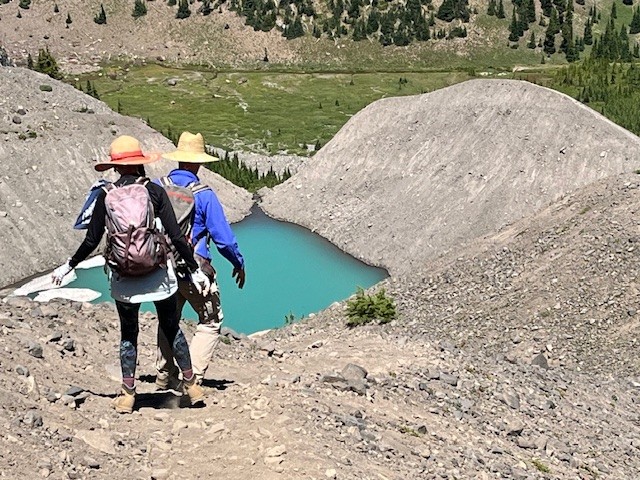
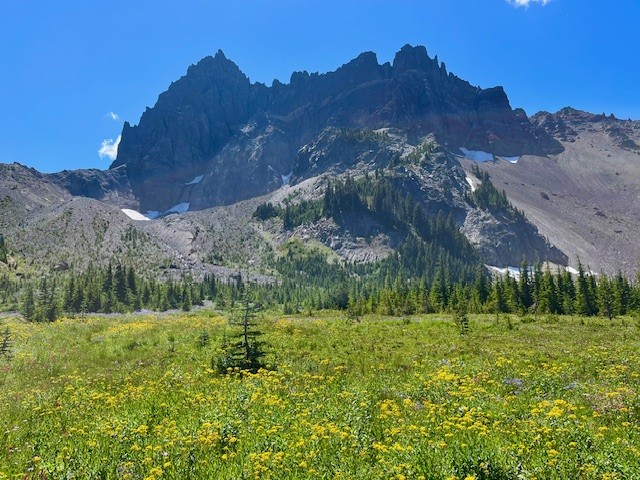
The heavy snow experienced during the winter of 2024-2025 delayed the opening of the most popular Central Oregon hikes until later in the summer. However, the heavy snow also provided extra moisture in the soil which has resulted in a fabulous wildflower season. Among the best areas for wildflowers in the Central Oregon Cascades is Canyon Meadow, part of the hike to the base of Three Fingered Jack. Canyon Meadow hike is a moderate loop that takes hikers from Jack Lake to the meadow and then returns through the burned forest resulting from 2003's B & B complex fire. However, for those wanting a more challenging hike, taking the unmaintained spur from Canyon Meadow to Three Fingered Jack provides for spectacular views and a tough scramble up the moraine of Jack Glacier (unofficial name) which is mostly gone. The aqua blue of the glacial lake was especially stunning the beginning of August. Hikers can climb the moraine until they reach the ridge connecting Three Fingered Jack with the unnamed colorful hoodoo next to it. The flat top of the ridge can be a great location for lunch or a snack before taking the slow trek down the moraine back to the more established trail. There is a side trail that can be taken to the upper meadows following the stream which exits the moraine. The upper meadow was stunning with blooming wildflowers the beginning of August. Once the lower meadow is reached, the loop back to Jack Lake can be taken, although much of this is in burned forest. Another option is to return the way hikers arrived at Canyon Meadow rather than continuing the loop through the burned forest. This will add elevation and distance, however.
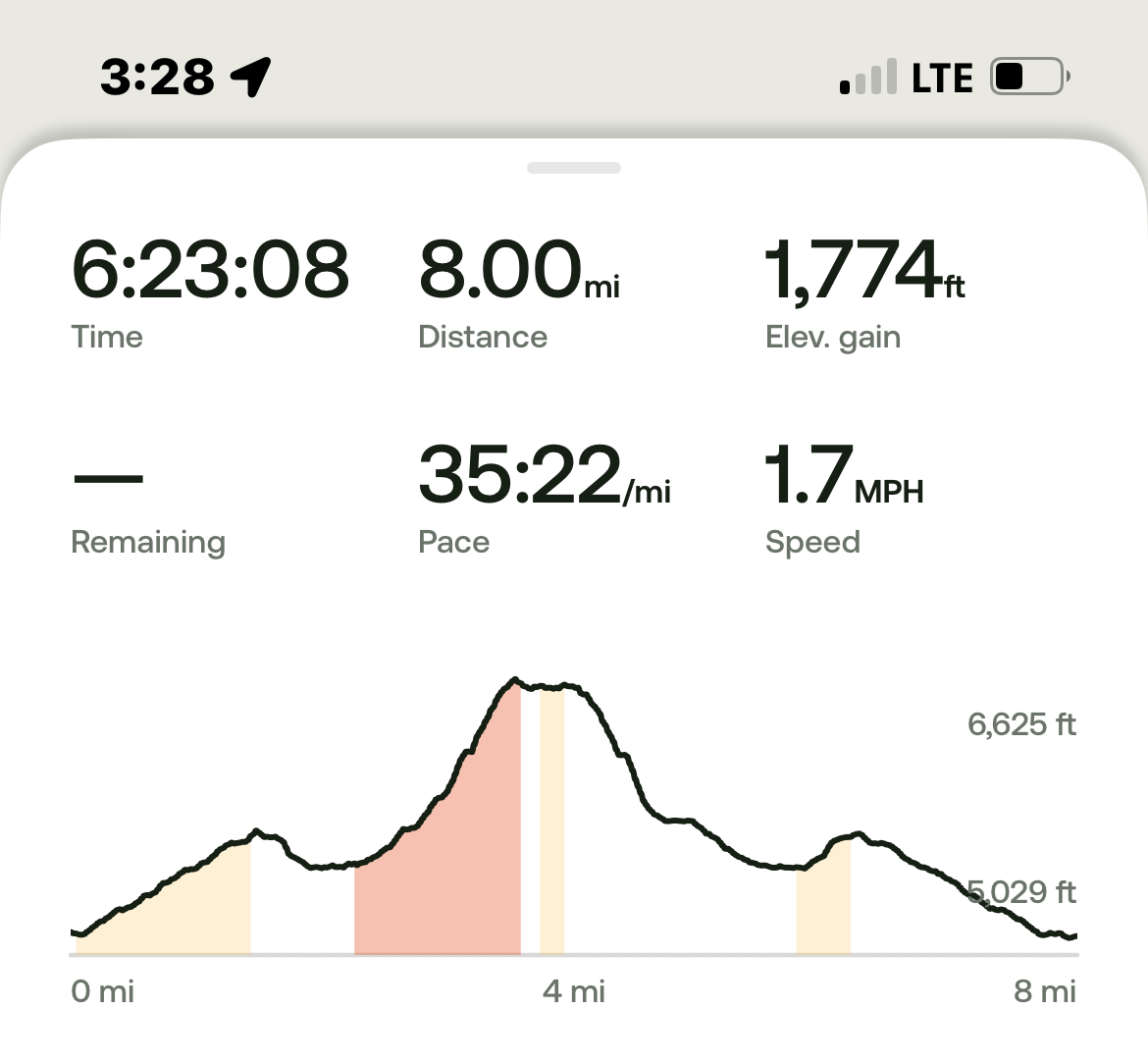
All in all, for those not taking the loop but returning the way to Jack Lake that they arrived at Canyon Meadow, the entire hike is roughly 8 miles and just shy of 1800 feet of elevation gain.
 |
 |
 |
 |
 |
 |
14
Climb Maxwell Butte For Unobstructed Cascade Views
Maxwell Butte is a Little Known Central Oregon Hike
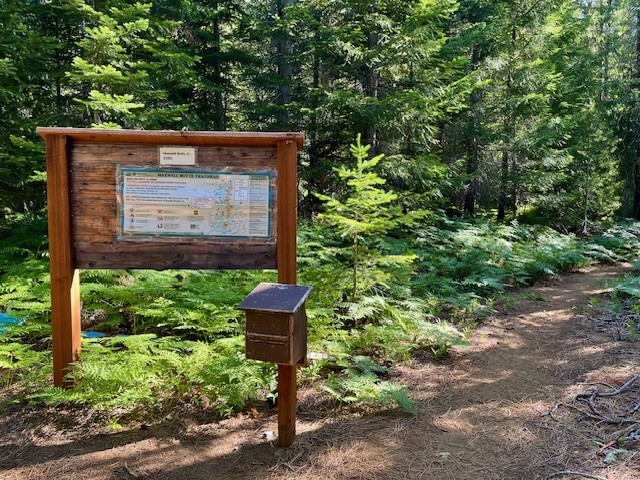
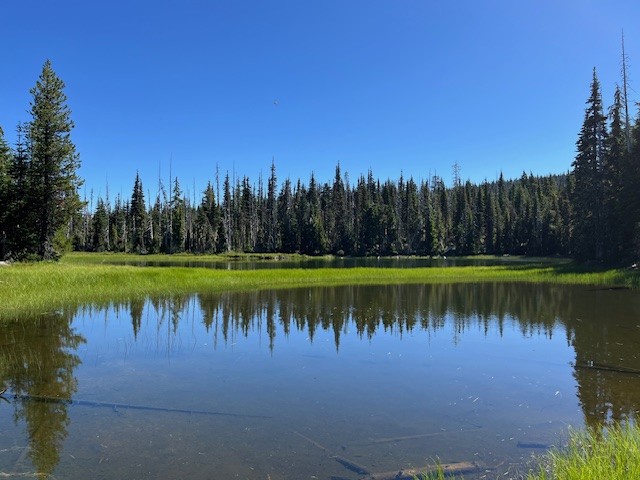
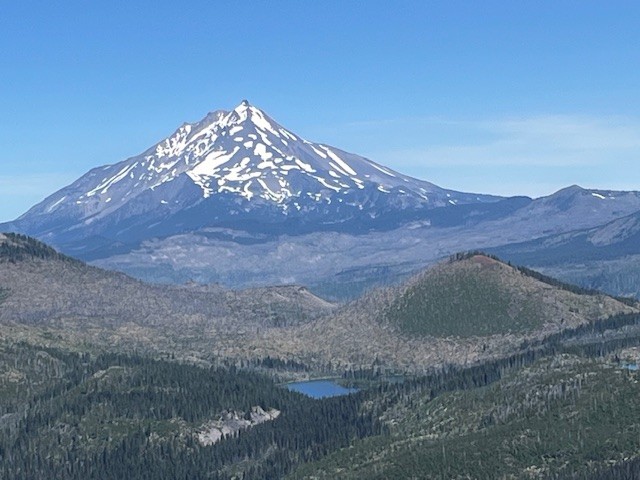
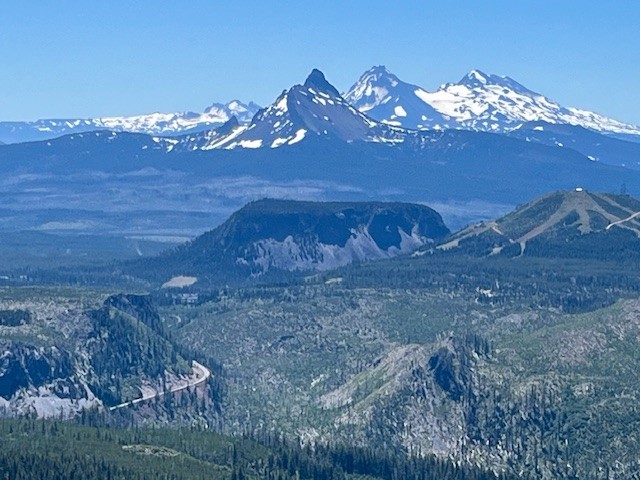
While the higher Cascade Mountain hikes were still snow covered in mid July 2025, Maxwell Butte was snow free and offered spectacular mountain views. On July 12, only one other hiker was seen the entire day and while mosquitoes were a problem in the morning, they were gone once the sun rose. The hike from the trail head to the top of Maxwell Butte is a moderate, forested trek with 2453 feet of elevation gain over 5.10 miles one way; the last steep mile up the butte can be more challenging with switchbacks on pumice on parts of the path. However, the higher hikers get, the more the views of Mt. Washington, North and Middle Sister, The Husband and the Wife become visible until near the top, the full view of Tam McArthur Rim and Broken Top can also be seen. Hoodoo Ski Bowl and Hayrick Butte really stand out as well in the topography in a way that is not visible from lower elevations. Looking east, Three Fingered Jack dominates the skyline and north, fabulous views of Mt. Jefferson, Mt. Hood and the eight lakes basin are seen.
For those wanting a good, challenging 10+ mile hike that is rarely crowded and does not require anything other than a self-issued day pass at the trail head, Maxwell Butte may be a good option, especially when the passes for the most popular high Cascade hikes are not available.
 |
 |
 |
 |
 |
 |
10
Browder Ridge Hike Is Blooming!
The Wildflowers and Views Are Fabulous at Browder Ridge
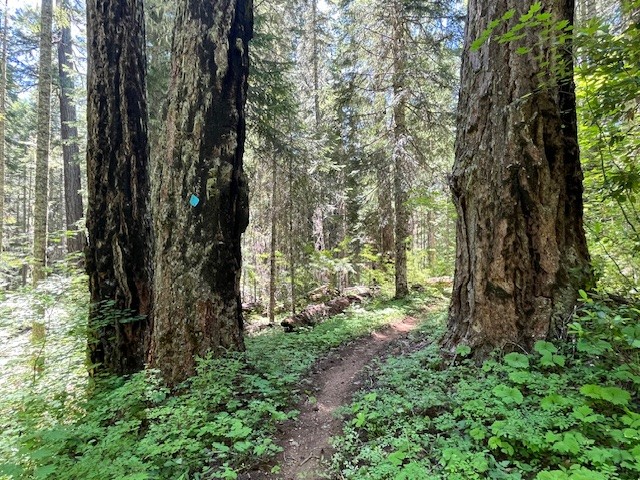
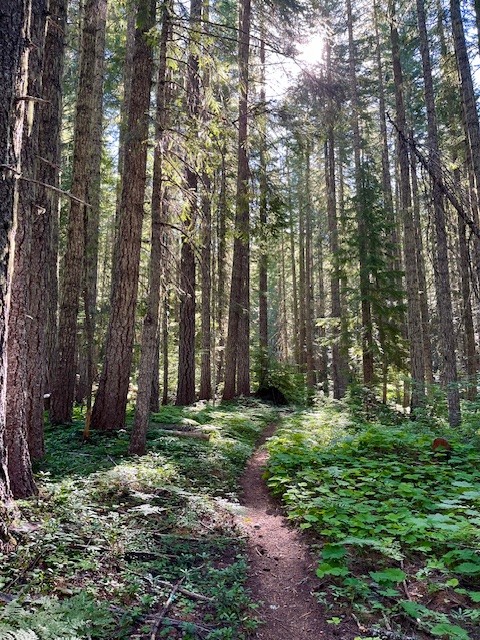
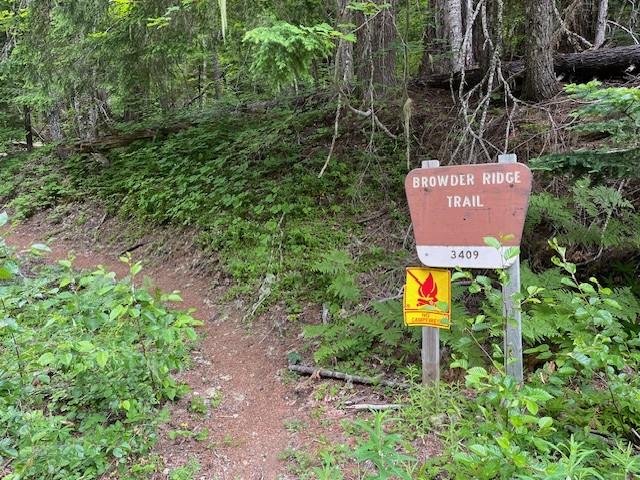
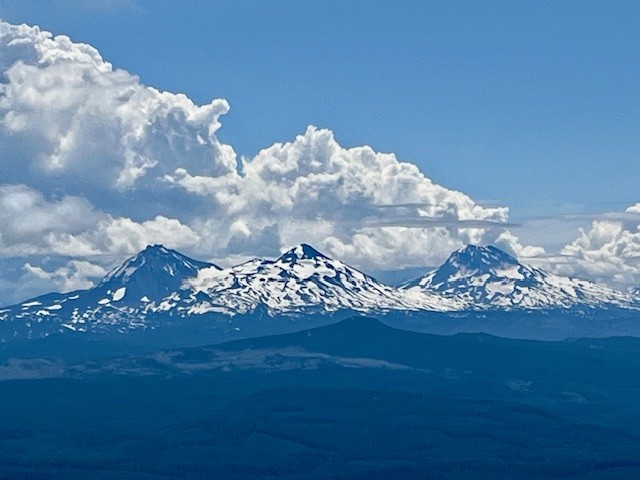
Iron Mountain remains one of the favored Central Oregon wildflower hikes that many people on both sides of the Cascades enjoy yearly. However, the lesser known and less traveled Browder Ridge offers even more wildflowers and views unseen from Iron Mountain. The easiest access to Browder Ridge Trail is near the Iron Mountain trailhead a few miles up paved forest service road 15.
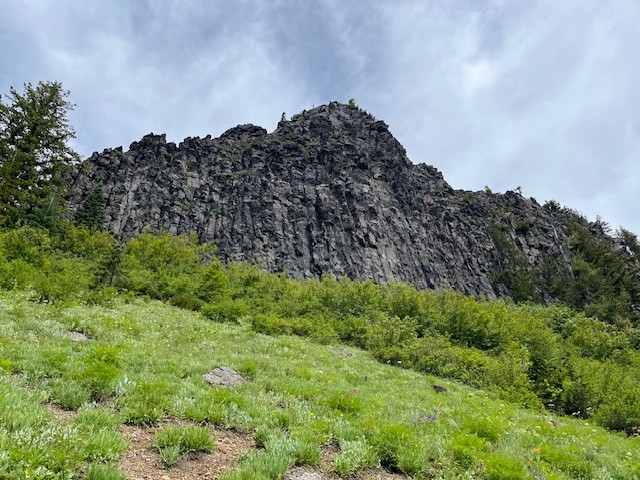
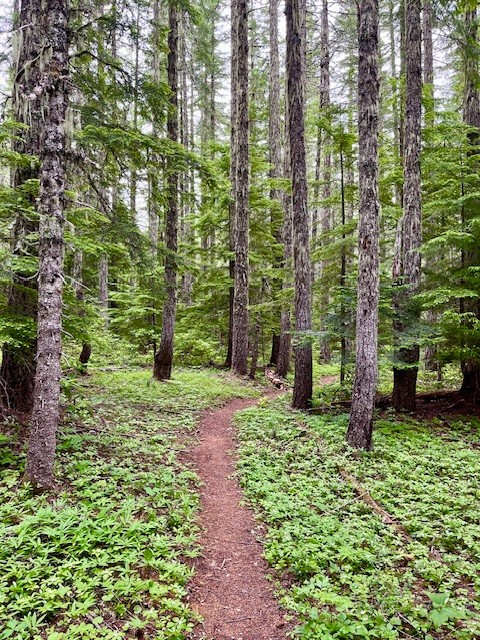
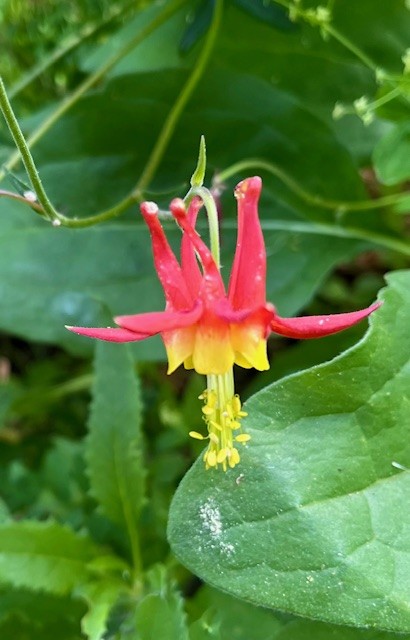
In early July 2025, the wildflowers were blooming and the air was clear, providing outstanding views of multiple peaks of the Cascades. The hike from the trailhead off forest service road 15 climbs over 2300 feet to the peak at the top of Browder Ridge at a distance slightly more than six miles one direction. Varied shade loving and sun loving wildflowers can be seen throughout the hike.
 |
 |
 |
 |
 |
 |
12
Why Pick Bend for Your Next Home?
Central Oregon Lifestyle Attractions and the Bend Real Estate Market
Central Oregon is known for its stunning natural surroundings, outdoor recreational opportunities, and a thriving community. Here are some key points about Bend:
- Outdoor Activities: Bend is a paradise for outdoor enthusiasts. The city is surrounded by mountains, lakes, and rivers, offering a wide range of activities such as hiking, biking, skiing, snowboarding, fishing, and more. The Deschutes River runs through the city, providing opportunities for water-related activities.
- Climate: Bend has a semi-arid climate with four distinct seasons. Winters can be cold with snowfall, making it a popular destination for winter sports. Summers are generally warm and dry, perfect for outdoor activities.
- Economy: The eco...