
Bend Oregon Real Estate Market
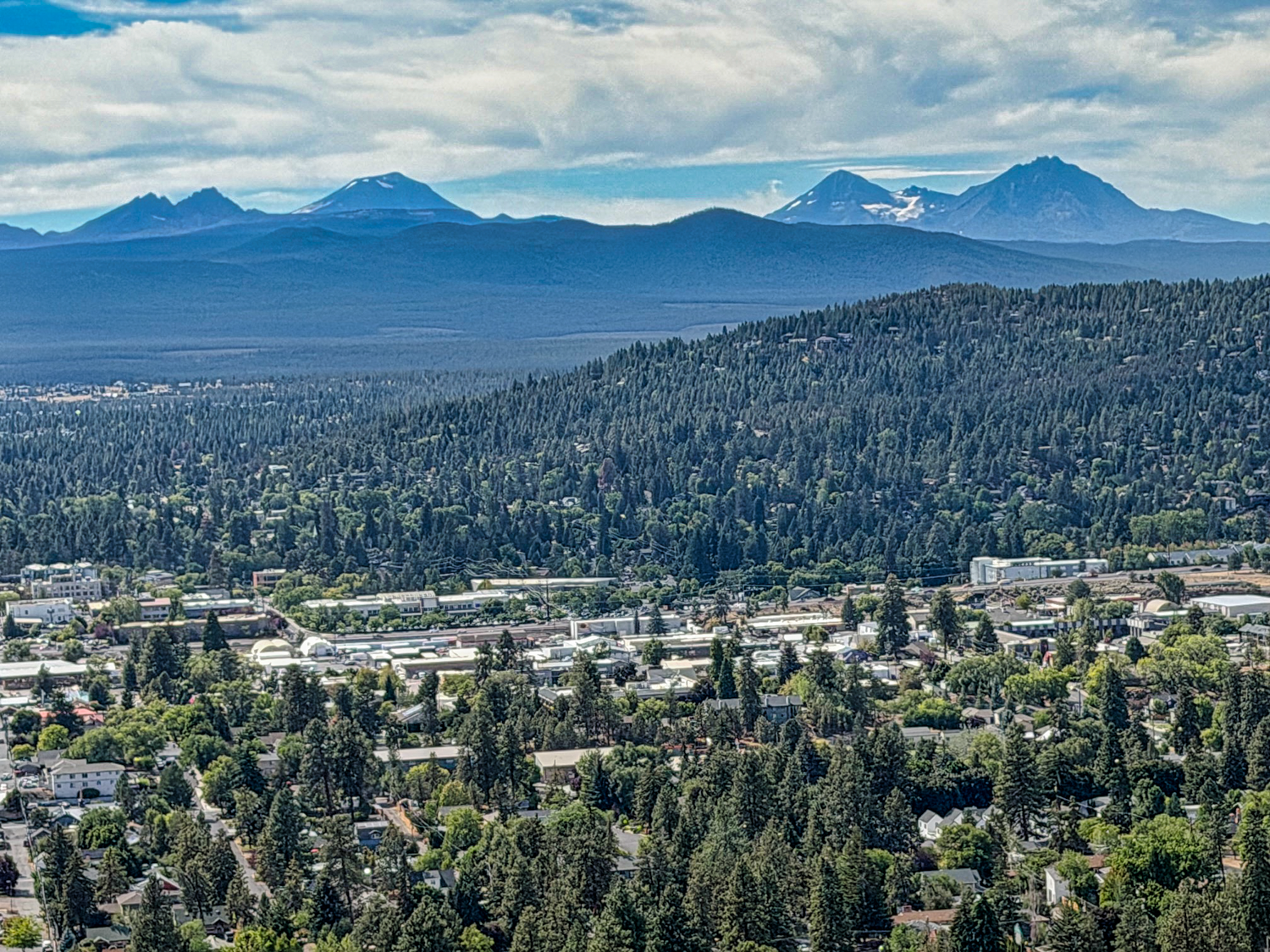 The Bend, Oregon real estate market is shaped by factors that make it different from many housing markets across the country. Limited land, strong lifestyle demand, migration into Central Oregon, interest rates, seasonality and the availability of homes at different price points can all influence home values and sales activity.
At Bend Premier Real Estate, we track the Bend housing market every month using local MLS data. Our market analysis focuses on single-family homes in Bend on less than one acre, providing a consistent way to measure changes in prices, inventory, sales activity, market time and seller concessions.
Whether you are considering buying a home in Bend, selling a property or simply trying to understand where the market is headed, this guide provides a current look at the numbers — and, more importantly, what those numbers mean.
Current Bend Oregon Real Estate Market Snapshot
September 2026 compared with September 2025
| Market Indicator | September 2026 | Year-over-Year Change |
|---|---|---|
| Median Sales Price | $726,250 | +0.4% |
| Closed Sales | 158 | -16.0% |
| Sold Price per Square Foot | $372 | -1.1% |
| Original List Price Received | 95.2% | +0.5% |
| Sales Above List Price | 12.0% | -24.6% |
| Cash Sales | 31.0% | +6.0% |
| Total Sold Volume | $135,493,647 | -15.9% |
| List-to-Close Time | 79 days | -7.1% |
| Sales with Seller Concessions | 45.6% | +14.2% |
| Average Seller Concession | $10,000 | +4.7% |
| New Listings | 174 | -2.2% |
| Pending Sales | 134 | -21.2% |
| Active Inventory | 518 | -16.0% |
| Months of Inventory | 3.3 months | Essentially unchanged |
| Unsold Listings | 66 | +65.0% |
What the September numbers show: Bend's median sales price remained essentially flat year over year, but the underlying demand indicators weakened considerably. Closed sales declined 16%, pending sales fell 21.2%, and unsold listings increased 65%. Meanwhile, 45.6% of completed transactions included seller concessions averaging $10,000. Active inventory remained 16% below the prior year, indicating that the market is adjusting through fewer transactions, negotiation, price reductions and unsuccessful listings rather than through a broad buildup of housing inventory.
Read the full analysis: September 2026 Bend Oregon Housing Market Trends.
Market statistics are based on Bend single-family residential properties on less than one acre and are intended to provide a consistent measure of local housing-market conditions.
What Is the Bend Oregon Real Estate Market Like Right Now?
September 2026 data shows a Bend housing market with relatively stable headline prices but considerably weaker underlying demand. The median sales price was $726,250, up just 0.4% from September 2025, while closed sales declined 16% and pending sales fell 21.2%.
At the same time, active inventory was 16% lower than a year earlier and months of inventory remained essentially unchanged at 3.3 months. This is an important distinction: Bend does not currently have an excessive supply of homes, but buyer demand is weakening faster than effective supply.
The adjustment is increasingly showing up in other ways. The number of listings leaving the market unsold rose 65%, while 45.6% of completed sales included seller concessions averaging $10,000. Price reductions have also become an important part of the competitive landscape as sellers respond to more selective buyers and reduced purchasing power.
Higher mortgage rates continue to constrain what many buyers can afford. Rather than producing a broad collapse in Bend's median sales price, weaker demand is showing up through fewer transactions, increased negotiation, seller concessions, price reductions and more properties failing to sell.
This creates a highly property-specific market. Homes that are priced and positioned appropriately can still attract buyer interest, while properties that enter the market above what current buyers will support may accumulate market time, require price adjustments or ultimately leave the market without selling.
Understanding today's Bend real estate market therefore requires looking beyond the median sales price alone.
More Bend & Central Oregon Market Analysis
Seller-Paid Rate Buydown vs. Price Reduction
Learn how buyers can evaluate whether a seller concession may be more valuable when used toward a mortgage-rate buydown, closing costs or a price reduction in the current Bend market.
Where Do Buyers Have the Most Negotiating Room in Central Oregon?
See how current inventory, market activity and seller concessions are affecting buyer negotiating opportunities across Central Oregon communities.
Are Bend Home Prices Going Up or Down?
Bend home prices can fluctuate substantially from month to month because the mix of properties sold changes constantly. A greater number of luxury transactions in one month, for example, can push the median sales price higher without indicating that every Bend home increased in value. For that reason, we look at several measurements together.
Bend home prices are sending mixed signals. In September 2026, the median sales price was $726,250, up just 0.4% from September 2025, while sold price per square foot declined 1.1% to $372. The nearly unchanged median price should not be interpreted as evidence that market conditions are unchanged. Closed sales declined 16%, pending sales fell 21.2%, and substantially more listings left the market without selling. Those measures indicate weaker demand even though the median sales price has not experienced a significant year-over-year decline.
Median sales prices can also fluctuate as the mix of homes sold changes from month to month. For an individual property, location, condition, views, lot characteristics, remodeling, age and competing inventory may have considerably more influence on value than Bend's overall median sales price.
How Much Housing Inventory Is Available in Bend?
Housing inventory is one of the most important indicators of the balance between buyers and sellers.
Bend had 518 active single-family listings in September 2026, down 16% from September 2025, representing approximately 3.3 months of available inventory. Months of inventory was essentially unchanged from the prior year.
The more important story is that demand is weakening faster than effective supply. Even with fewer active listings, closed sales declined 16%, pending sales fell 21.2%, and unsold listings increased 65%. This combination demonstrates why inventory counts alone do not determine whether buyers or sellers have negotiating leverage.
Availability varies considerably by:
- Price range
- Neighborhood
- Property condition
- Home style and age
- Lot size
- Luxury versus conventional housing
- New construction versus resale
- Special characteristics such as golf, river or mountain views
A buyer searching for a particular type of home may encounter substantially more — or substantially less — competition than the overall Bend inventory number suggests.
How Long Does It Take to Sell a Home in Bend?
In September 2026, the average period from listing to closing was 79 days, down 7.1% from September 2025. However, the shorter year-over-year list-to-close period should not be interpreted in isolation as evidence of stronger demand.
Closed sales and pending sales both declined substantially, while the number of listings leaving the market unsold increased 65%. Properties that successfully closed therefore represent only one part of the market. Homes that are not attracting buyers at their current price or positioning may require price reductions, concessions or may leave the market without selling.
Homes that enter the market at an unrealistic price can also lose valuable early exposure. Once a property accumulates substantial market time, buyers may begin wondering why it has not sold. This is one reason pricing strategy matters considerably in the current Bend market.
Related: Why Some Bend Homes Are Selling While Others Are Sitting
Are Bend Home Sellers Negotiating?
Yes. Seller concessions remain one of the clearest indicators of Bend's current negotiating environment. In September 2026, 45.6% of closed sales included a seller concession, up 14.2% from the prior year, and the average concession reached $10,000, up 4.7%.
Concessions can include contributions toward buyer closing costs, mortgage-rate buydowns and other negotiated transaction expenses. With mortgage rates restricting purchasing power, these concessions can sometimes have a different financial impact for a buyer than an equivalent reduction in the purchase price.
The prevalence of concessions does not mean every Bend property is negotiable or that Bend has become a broad buyer's market. It does demonstrate that the final sales price alone may not reveal the complete economics of a transaction.
Is Bend a Buyer's Market or a Seller's Market?
There isn't one label that accurately describes every segment of Bend real estate. With approximately 3.3 months of overall housing supply in September 2026, Bend does not have the level of excess inventory typically associated with a broad buyer's market.
At the same time, buyers have meaningful negotiating leverage. Closed sales fell 16%, pending sales declined 21.2%, seller concessions appeared in 45.6% of completed transactions, and unsold listings increased 65%.
A more accurate description is a selective, property-specific market in which buyer demand has weakened despite relatively constrained inventory. Well-positioned properties can still attract competition, while overpriced or less competitive homes may require price reductions, concessions or additional market time.
What Should Bend Home Sellers Know?
Today's Bend seller needs to compete for the buyer rather than simply place a home on the market and wait. Pricing remains the most important consideration. And sellers should be aware that in September 2026 there was a 65% increase in unsold listings. Buyers can see competing listings, price reductions and market history easily, making it difficult to overcome an unrealistic initial asking price.
Presentation also matters. Professional photography, property preparation, accurate descriptions, digital exposure and effective positioning help establish how buyers perceive a home's value relative to its competition.
Sellers should also be prepared for negotiation. Concessions have become much more common, and the strongest offer is not necessarily determined solely by the purchase price.
What Should Bend Home Buyers Know?
Buyers generally have more opportunity to evaluate their options than they had during the most competitive years of Bend's housing market, but attractive properties can still generate significant interest. The broader market statistics should therefore be used as context rather than as a negotiating formula.
A home that has been listed for an extended period may offer opportunities that a newly listed, competitively priced property does not. Likewise, conditions can differ substantially between price ranges and neighborhoods. And the 21.2% decline in pending sales for September 2026 indicates buyers are being selective on their choices.
Buyers should consider not only asking price but also recent comparable sales, market time, property condition, competing inventory and potential seller concessions when evaluating a property.
Why Is the Bend Real Estate Market Different?
Bend is more than a conventional employment-driven housing market. Central Oregon attracts buyers for its outdoor lifestyle, climate, recreation, retirement opportunities and access to skiing, hiking, mountain biking, golf and the Deschutes River. Bend also attracts second-home and luxury buyers whose purchasing decisions may be less directly tied to local wages or mortgage rates.
At the same time, geographic and land-use constraints affect where and how Bend can grow. These characteristics can create meaningful differences between Bend and national housing trends. National headlines can provide useful context, but they do not necessarily describe what is occurring in a particular Bend neighborhood or price range.
That is why we believe local data matters.
Bend Oregon Real Estate Market Reports
Bend Premier Real Estate publishes a new analysis of the Bend housing market each month. These reports provide a historical record of changes in pricing, inventory, sales activity, seller concessions and other important measurements.
2026 Bend Real Estate Market Reports
- September 2026
August 2026 - July 2026
- June 2026
- May 2026
- April 2026
- March 2026
- February 2026
- January 2026
Frequently Asked Questions About the Bend Oregon Real Estate Market
What is the median home price in Bend, Oregon?
The median sales price for Bend single-family homes on less than one acre was $726,250 in September 2026, up 0.4% compared with September 2025. Median prices can change from month to month depending upon the mix of homes sold.
Is Bend, Oregon currently a buyer's or seller's market?
Bend had approximately 3.3 months of housing inventory in September 2026, which does not indicate a broad oversupply of homes. However, buyers have meaningful negotiating leverage: closed sales declined 16%, pending sales fell 21.2%, seller concessions appeared in 45.6% of closed transactions, and unsold listings increased substantially.
Are Bend home prices lower than a year ago?
No, based on September 2026 year-over-year figures. The median sales price was up 0.4% but the sold price per square foot declined 1.1%. However, monthly statistics can be affected by the mix of properties sold, and individual neighborhoods and properties can perform differently from the overall Bend market.
Are Bend sellers offering concessions?
Yes. Approximately 45.6% of Bend closed sales in September 2026 included seller concessions, with an average concession of $10,000. Concessions may include closing-cost assistance, interest-rate buydowns and other negotiated expenses.
How long are homes taking to sell in Bend?
The average list-to-close period was 79 days in September 2026, down 7.1% from September 2025. Actual market time varies significantly according to price, location, condition and pricing strategy.
Where can I find the latest Bend real estate market statistics?
Bend Premier Real Estate publishes monthly Bend housing-market reports based on local MLS statistics for single-family homes on less than one acre. The current month's report and previous reports are linked from this guide.
Explore Bend and Central Oregon Real Estate
Explore Homes for Sale in Bend
Explore Central Oregon Lifestyle Guides
Explore Bend Luxury Real Estate
Explore Bend Neighborhoods